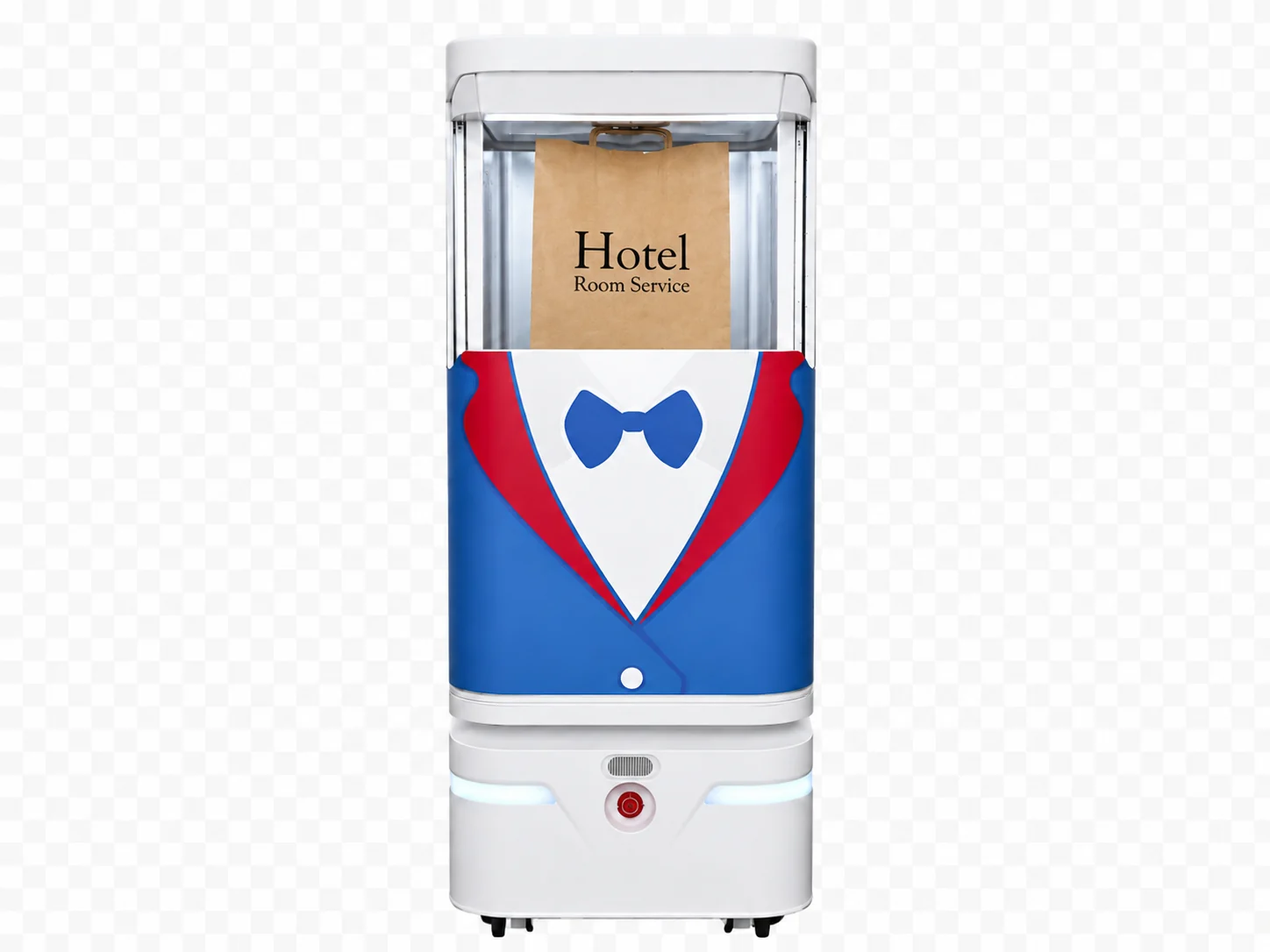
Secure delivery
 YUMA ROBOTICS
Case studies and results
Rising staffing costs and around-the-clock guest expectations make routine internal delivery an important workflow to measure. Here is how autonomous robots can change the equation.
Case studies and results
Secure delivery
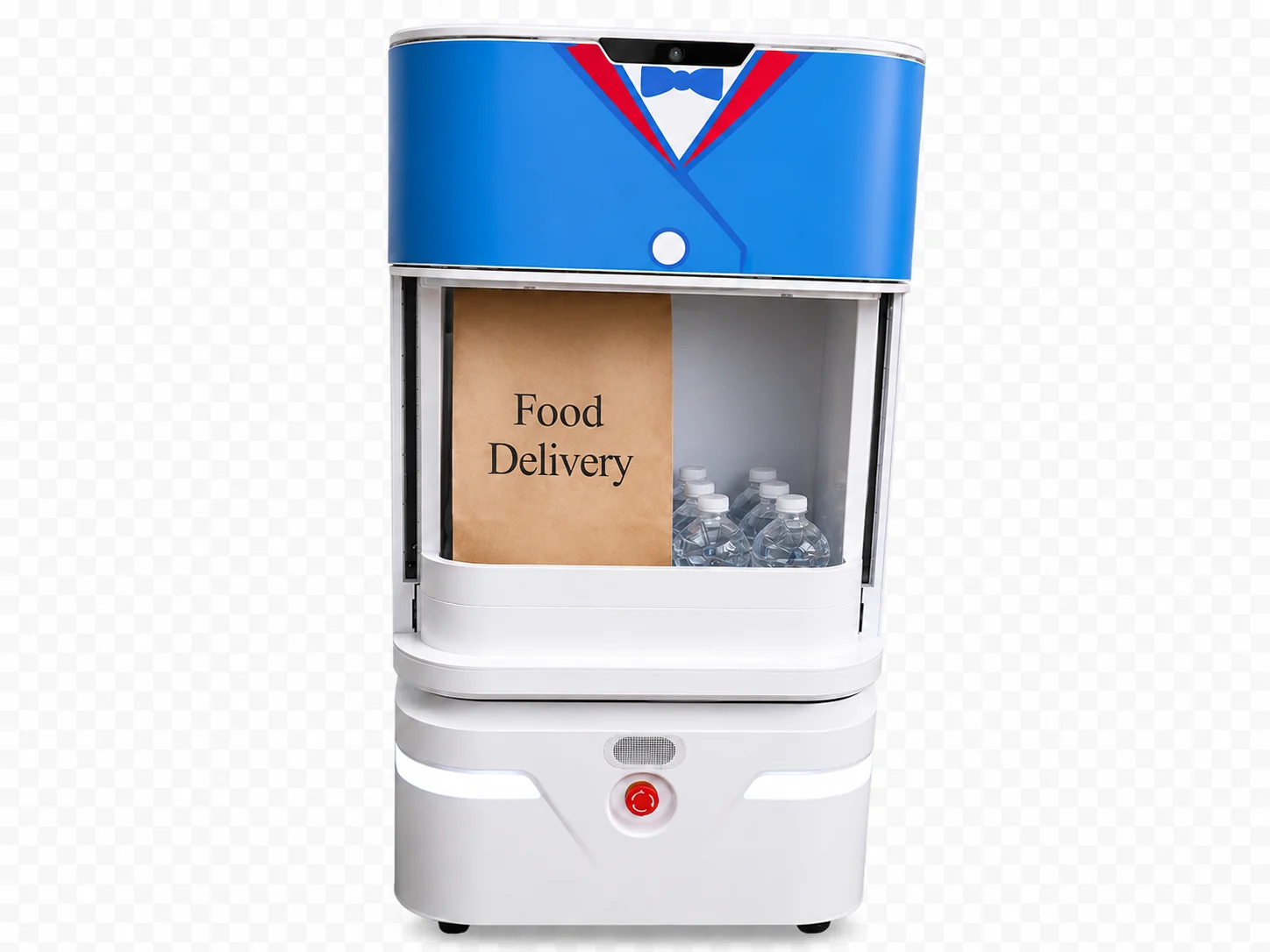
Flexible capacity
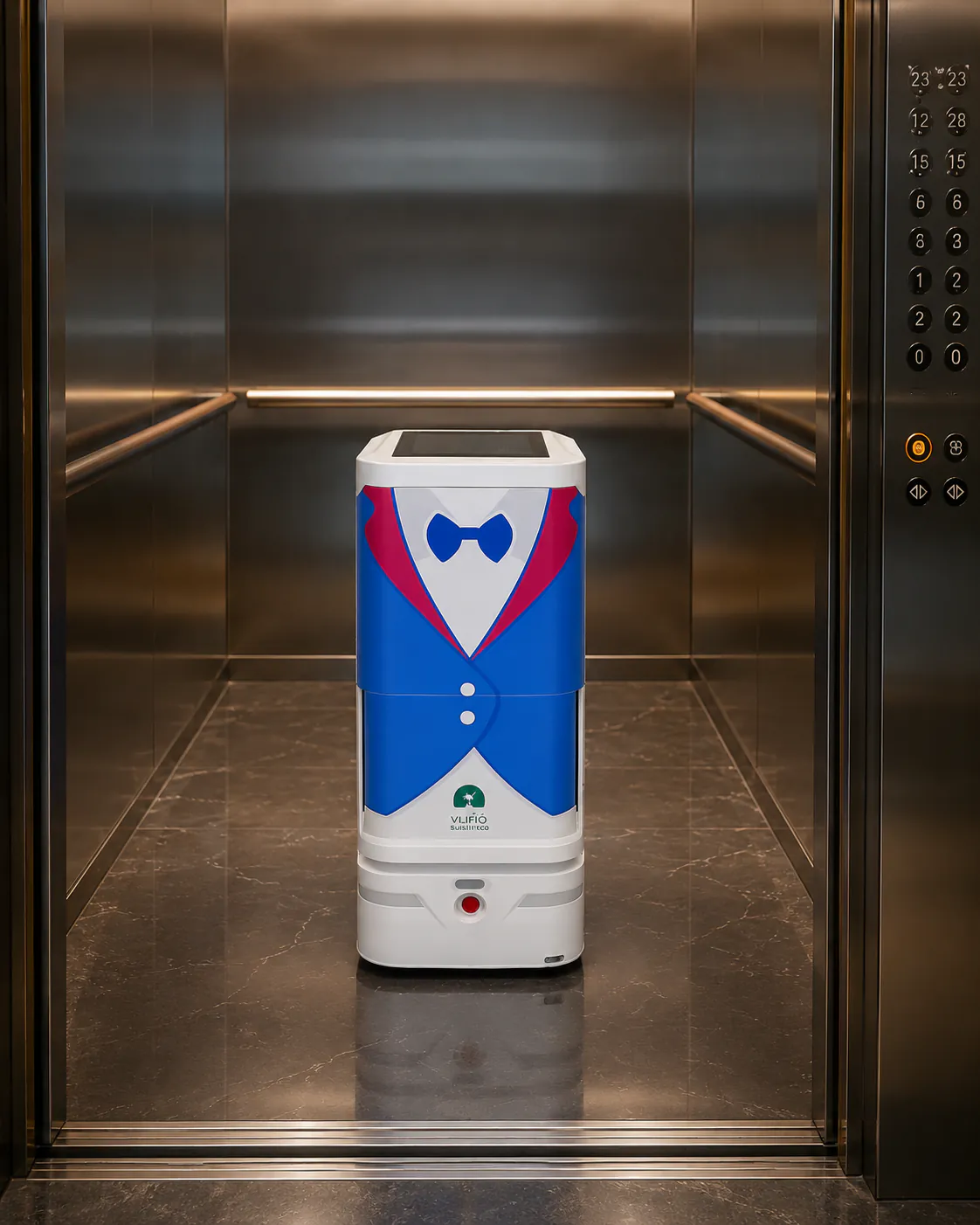
Hotel operation
Hospitality robotics insight
Hotels need to maintain responsive room service, concierge delivery, and housekeeping logistics across every shift. Visa sponsorship, accommodation, onboarding, training, and turnover can make a simple late-night delivery cost far more than the item itself.
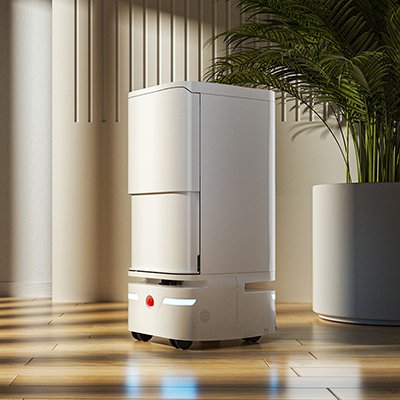
A hotel delivery robot is an autonomous indoor unit that maps corridors, detects people and obstacles, and can coordinate with compatible elevators to move between floors. It handles repetitive movement while hotel staff focus on the human interactions that build loyalty.
A high-use delivery robot may complete dozens of missions per day. The real operational benefit depends on occupancy, request volume, route length, shift coverage, and how consistently the hotel uses the robot.
When a front-desk or housekeeping team member can load YUMA and return immediately to their primary role, the property gains productive time without reducing the quality of the delivery handoff.
Once the site is mapped and the workflow is established, YUMA follows the same route logic for every request. This consistency supports planning during overnight shifts and periods of high occupancy.
A deployment typically includes site assessment, mapping, elevator or door integration testing, staff training, and go-live support. Payback cannot be guaranteed and should be calculated from the hotel’s actual delivery volume, staffing costs, integration scope, and support plan.
Guests often value the privacy and novelty of a robot handoff, while safety is addressed through multiple sensing systems and speed control. The most important step is a real property assessment rather than relying on a generic estimate.
Make an informed decision
UAE installation and support